

A1 Führerschein Beantragen
Add a review FollowOverview
-
Founded Date November 12, 1912
-
Sectors Digital Sectors
-
Posted Jobs 0
-
Viewed 5
Company Description
What Is German Driving License Expert And Why You Should Be Concerned
Understanding the German Driving License: A Comprehensive Guide
Germany is renowned for its effective mass transit system and well-maintained road networks. Nevertheless, if you plan to drive in Germany– whether as a traveler, an expatriate, or a future resident– comprehending the nuances of obtaining a German driving license is crucial. This post aims to provide an informative introduction of the German driving license, consisting of the application process, Echten deutschen FüHrerschein kaufen types of licenses, and beneficial suggestions.
Types of German Driving Licenses
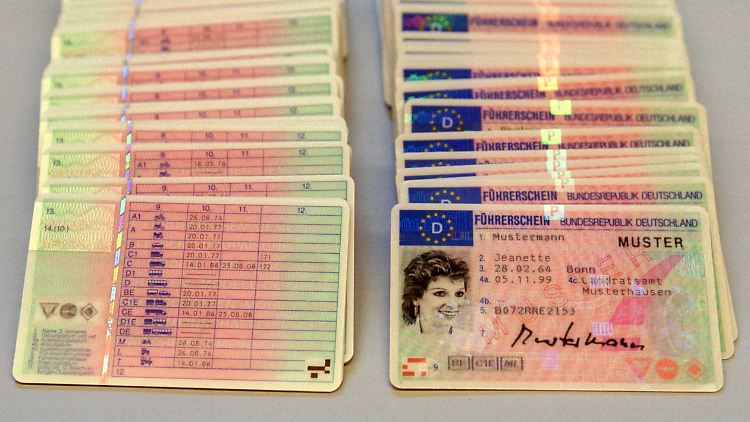
Before diving into the application procedure, it’s necessary to comprehend the different kinds of driving licenses readily available in Germany. Below is a detailed table laying out the numerous license classifications and what lorries they allow you to run.
| License Category | Vehicle Type | Minimum Age |
|---|---|---|
| A | Bikes (unrestricted) | 24 (20 with two years of experience) |
| A1 | Light bikes (as much as 125cc) | 16 |
| B | Automobiles and light vehicles (up to 3.5 t) | 18 |
| BE | Cars with trailers (approximately 3.5 t) | 18 |
| C | Trucks (over 3.5 t) | 21 |
| CE | Trucks with trailers | 21 |
| D | Buses (more than 8 seats) | 24 |
| DE | Buses with trailers | 24 |
The Application Process for a German Driving License
Acquiring a German driving license includes numerous actions, and it is important to prepare sufficiently. Below is a detailed guide to the application process:
1. Determine Your Eligibility
- You need to be at least the minimum age outlined in the table above.
- If you hold a driving license from another country, check if it can be exchanged for a German license or if you require to take the tests.
2. File Preparation
Prepare the following documents:

- Valid ID or passport
- Evidence of residency in Germany
- Passport-sized photos
- First Aid certificate
- Eye test certificate
- Any previous driving licenses (if relevant)
3. Register in a Driving School
- Choose a trustworthy driving school (“Fahrschule”). In most cases, you should complete a theoretical course and useful driving lessons.
- The courses typically integrate class guideline with practical driving sessions.
4. Take the Theoretical Exam
- After completing the theoretical course, you should pass a written test. The test consists of multiple-choice concerns associated with traffic laws and regulations.
- The test is available in multiple languages.
5. Complete Practical Driving Lessons
- Complete the required variety of practical driving lessons, which can range from 12 to 20 sessions, depending on the license classification.
6. Take the Practical Driving Test
- After passing the written exam and completing your driving lessons, you need to take a practical driving test with a licensed examiner.
- The test will evaluate your useful driving abilities, knowledge of traffic guidelines, and capability to deal with different roadway situations.
7. License Issuance
- As soon as you pass the practical test, you can make an application for your driving license at your regional motorist’s license authority (Führerscheinstelle).
- Pay the needed fee, which can vary based on the place and license classification.
8. Receive Your Driving License
- You will get a momentary driving license right away, and the official card will be sent by mail to you.
Expenses Associated with Obtaining a German Driving License
The costs can differ substantially depending on your place and the driving school you pick. Here’s a comprehensive list of possible expenditures:
| Expense | Estimated Cost (EUR) |
|---|---|
| Theoretical Course | 200 – 300 |
| Practical Course | 800 – 2,000 |
| Eye Test | 5 – 20 |
| First Aid Course | 30 – 100 |
| Theory Exam Fee | 20 – 40 |
| Practical Test Fee | 100 – 250 |
| Administrative Fees | 30 – 70 |
Overall Estimated Cost: EUR1,200 – EUR2,800
Frequently Asked Questions (FAQ)
1. Can I drive in Germany with a foreign license?
Yes, you can drive in Germany with a valid foreign driving license for up to six months. After that, you might require to exchange it for a German license or go through the full licensing process based upon your previous driving experience.
2. What if I fail the driving test?
If you fail the theoretical or practical driving test, you can retake the exam. There are generally limits on the number of retakes enabled, however contact your local driving authority for specific guidelines.
3. Are there any language barriers?
Most driving schools offer courses in English and other languages, and the theoretical exam is available in multiple languages. Nevertheless, it is recommended to have a fundamental understanding of German for the practical driving test.
4. What are the penalties for driving without a license?
Driving without a legitimate license in Germany can result in significant fines, potential criminal charges, and even car impoundment.
5. Can I exchange my global license for a German one?
Depending on the country of issuance and if it is noted as a valid nation for exchange, you may be able to exchange your worldwide license for a German one without needing to take the tests.
Browsing the procedure of obtaining a German driving license can appear overwhelming, but comprehending the actions included will make it manageable. Just like any bureaucracy, preparation is crucial. Investing your time in a good driving school and familiarizing yourself with the local rules will ensure a smooth path to supporting the wheel in Germany. Whether you’re a regional resident or a visitor checking out Germany’s picturesque landscapes, the happiness of driving in one of Europe’s a lot of arranged transportation systems is sure to be a satisfying experience.