Windows Repair
Add a review FollowOverview
-
Founded Date February 3, 1903
-
Sectors Food Processing
-
Posted Jobs 0
-
Viewed 5
Company Description
Repair Doors And Windows Tools To Ease Your Daily Lifethe One Repair Doors And Windows Trick That Should Be Used By Everyone Know
The Comprehensive Guide to Repairing Doors and Windows
Windows and doors are essential parts of any building structure, supplying security, insulation, and visual appeal. In time, these components are prone to use and tear due to various factors, including weather condition changes, accidental damage, and regular usage. Comprehending how to repair windows and doors can be essential for keeping a home or building’s structural stability and general appearance. This guide aims to supply extensive information on the types of repairs to upvc windows, common concerns came across, and detailed processes for reliable repairs.
Typical Issues with Doors and Windows
Before diving into repair Doors methods, it’s vital to recognize common problems faced by windows and doors. Here’s a checklist of problems that may require attention:
Doors:
- Warping: Caused by humidity modifications, doors repairs near me may bow or twist.
- Scratches and Dents: Physical effect can leave unwanted marks.
- Sticking: Misalignments or swelling can make doors hard to open.
- Lock Malfunctions: Locking systems may become jammed or broken.
Windows:
- Drafts: Air leaks due to bad sealing or old weather stripping.
- Broken Glass: Damage from impacts or severe weather condition conditions.
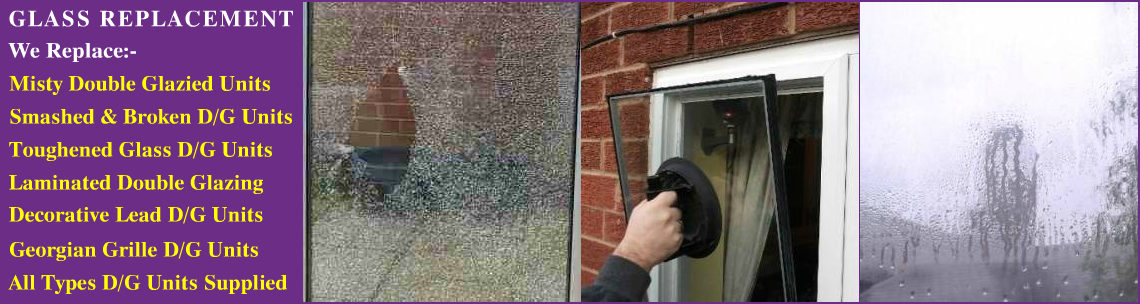
- Foggy Glass: Failure of double-glazed systems, resulting in moisture build-up.
- Rodent Damage: Infestations can lead to broken frames or sashes.
Tools and Materials Needed
Before starting any repair work, ensure you have the necessary tools and products at hand. Here’s a convenient list:
Tools:
- Screwdriver (Flathead and Phillips)
- Hammer
- Measuring tape
- Level
- Energy Knife
- Caulk Gun
- Pliers
- Sandpaper
- Chisel
Products:
- Replacement Glass (if required)
- Wood Filler
- Weather Stripping
- Caulk
- Paint/Stain
- Screws and Nails
Step-by-Step Repair Process
Repairing Doors
-
Assess the Damage
- Observe and identify the type of damage. Check hinges, locks, and the door frame for any structural concerns.
-
Repairing Warped or Sticking Doors
- Change Hinges: Tighten or loosen up screws on hinges to line up the door effectively.
- Sand Edges: If the door sticks, lightly sand down the edges utilizing sandpaper up until it opens efficiently.
-
Repairing Scratches and Dents
- Wood Filler: Apply wood filler to scratches, let it dry, and sand it flush with the surface area. Finish by painting or staining to match the door’s color.
-
Replacing the Lock
- Remove the old lock following the manufacturer’s directions. Set up the brand-new lock by securing it in place with the offered screws.
Repairing Windows
-
Check the Window Frame
- Examine for rot, warping, or instability in the frame. Use a level to guarantee it’s square.
-
Fixing Drafts
- Remove Old Weather Stripping: Take off the worn stripping with an energy knife.
- Set Up New Weather Stripping: Measure and cut the new stripping to size, then push it into place.
-
Repairing Cracked Glass
- If the fracture is small, using epoxy may be adequate. For significant damage, remove the damaged glass window repair utilizing an energy knife and change it with brand-new glass, protecting it with putty.
-
Attending To Foggy Windows
- If the double-glazed unit fails, think about replacing the entire unit. Seek advice from a professional if the task seems daunting or requires specialized tools.
Maintenance Tips
Regular maintenance can prevent future issues with doors and windows. Some reliable practices consist of:
- Regular Inspections: Check frames, locks, and seals a minimum of twice a year.
- Tidy: Remove dirt and particles from frames and sills to avoid severe issues.
- Paint/Stain: Reapply paint or stain every few years to protect wooden surface areas.
- Lube: Use WD-40 or a similar product to lube hinges and locks for smooth operation.
Summary Table of Repairs
| Repair Type | Tools Needed | Materials Needed | Estimated Time |
|---|---|---|---|
| Repairing Warp/Sticking | Screwdriver, Sandpaper | None | Thirty minutes |
| Repairing Scratches | Sandpaper, Wood Filler | Paint/Stain | 1 hour |
| Changing Locks | Screwdriver | New Lock | 30 minutes |
| Fixing Drafts | Energy Knife | Weather condition Stripping | 1 hour |
| Replacing Glass | Utility Knife, Hammer | Replacement Glass | 1-2 hours |
Frequently Asked Questions (FAQs)
1. How often should I examine my doors and windows?
Regular assessments are advised two times a year to ensure that any possible concerns are determined early.
2. Can I replace glass in a window myself?
Yes, if you have the right tools and are comfy with the process. However, for significant damage or double-glazed units, it’s advisable to consult a professional.
3. What are the indications that I need to change my door or window?
Typical indications consist of extensive warping, problem in opening/closing, and noticeable damage such as cracks or big dents.
4. How do I fix a door that won’t lock?
Guarantee the latch is lined up with the strike plate. You might need to change the hinges or move the strike plate a little to attain correct alignment.
5. Is weather removing needed?
Yes, weather condition removing is essential for energy effectiveness and keeping a comfy indoor environment, avoiding drafts and moisture from entering.
Repairing windows and doors is an important skill for homeowners and property supervisors alike. By understanding typical problems, acquiring the right tools and materials, and following appropriate repair methods, individuals can maintain their property’s integrity and longevity. Routine maintenance and timely repairs not just improve the functionality of windows and doors however likewise add value to the property. Whether undertaking small fixes or larger repairs, putting in the time to do it right can make a substantial difference in the convenience and security of any structure.