Disability Scooters Near Me
Add a review FollowOverview
-
Founded Date September 7, 1959
-
Sectors Chemical Industry
-
Posted Jobs 0
-
Viewed 7
Company Description
5 Reasons To Consider Being An Online UK Mobility Scooters And 5 Reasons You Shouldn’t
Navigating the Landscape of Mobility Scooters in the UK
In recent years, mobility scooters have actually become a vital mode of transport for lots of people throughout the UK, especially amongst the elderly and those with mobility Scooter maintenance impairments. These scooters offer a blend of self-reliance, benefit, and accessibility, allowing users to browse their areas, check out shops, and engage in social activities with higher ease. In this post, we’ll check out the types of mobility scooters offered, the benefits they use, important factors to consider when purchasing one, and frequently asked questions about them.
Types of Mobility Scooters
Mobility scooters come in different forms, each created to satisfy different requirements and choices. Below is a summary of the crucial classifications.
| Type | Description | Ideal For |
|---|---|---|
| Class 2 Scooters | These scooters are meant for use on pavements and are limited to 4 miles per hour. | Brief trips, shopping, and light use. |
| Class 3 Scooters | Created for both pavements and roadways, these scooters can take a trip up to 8 mph. | Longer journeys and important travel. |
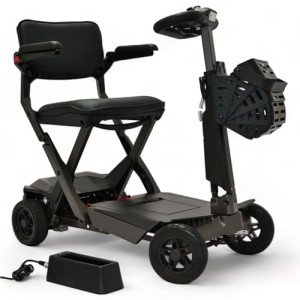
| Portable Scooters | Lightweight and foldable, simple to transport in cars and trucks. | Those who take a trip often or have limited storage. |
| Sturdy Scooters | Developed for bigger people or those in need of enhanced features. | Users requiring robust support and stability. |
| All-Terrain Scooters | Geared up with larger wheels and boosted suspension for rough surfaces. | Outdoor adventures and rugged locations. |
Key Benefits of Mobility Scooters
Mobility scooters offer a series of benefits that substantially boost the quality of life for their users. Here are some of the most significant advantages:
- Independence: Mobility scooters empower users to take a trip separately without counting on caretakers or public transport.
- Ease of access: They enable users to gain access to stores, parks, and leisure locations that may otherwise be difficult to reach.
- Security: Many designs come equipped with features such as lights, horns, and mirrors, increasing safety during use.
- Convenience: Most designs include comfortable seating and easy to use controls, guaranteeing an enjoyable riding experience.
- Social Interaction: By helping with easy travel, mobility scooters can help users stay gotten in touch with loved ones.
Factors to consider When Purchasing a Mobility Scooter
When aiming to acquire a mobility scooter, numerous factors ought to be carefully thought about to ensure the picked design satisfies the user’s needs:
| Consideration | Details |
|---|---|
| Weight Capacity | Check the optimum weight limitation to guarantee security and comfort. |
| Battery Life | Examine the scooter’s variety and battery durability. |
| Portability | Think about how quickly the scooter can be carried. |
| Terrain Suitability | Evaluate where it will be mostly utilized (e.g., city, rural). |
| Post-Purchase Support | Look for service warranties and customer support choices. |
| Expense | Compare costs and look for financing or rental choices. |
Upkeep and Safety
Keeping a mobility scooter makes sure that it stays safe and practical in time. Here are some important upkeep pointers:
- Regular Cleaning: Keep the scooter complimentary from dirt and particles to avoid wear and tear.
- Battery Care: Charge the battery regularly and follow manufacturer instructions for use and storage.
- Tire Maintenance: Check tire pressure and try to find indications of wear.
- Mechanical Checks: Schedule annual assessments with an expert to capture any mechanical concerns early.
- User Safety: Always use a safety belt, usage lights in low exposure, and acquaint oneself with local traffic guidelines.
Frequently Asked Questions (FAQs)
1. Do I require a license to use a mobility scooter in the UK?
No, you do not need a driving license to operate a mobility scooter. However, users should stick to traffic regulations and any local laws referring to scooter use.
2. Can I use a mobility scooter on public transportation?
Yes, many types of public transport in the UK, consisting of buses and trains, allow mobility scooters, although it’s important to talk to the specific operator for their policies and size restrictions.
3. How quickly does a mobility scooter go?
The speed differs by class:
- Class 2 scooters can travel at a maximum of 4 mph.
- Class 3 scooters can reach speeds of up to 8 miles per hour.
4. What features should I try to find in a scooter?
Try to find comfy seating, appropriate battery variety, reputable brakes, and safety functions like lights and indications. The choice of functions will depend on individual needs and use.
5. Can I insure my mobility scooter?
Yes, it is possible to insure mobility scooters. Coverage can secure against theft, damage, and liability. Consult insurance companies for particular policies connected to mobility scooters.
Mobility scooters represent a considerable development in ease of access for individuals with mobility difficulties. They allow users to recover their independence and engage with their communities. With various types readily available to accommodate various requirements, potential buyers need to thoroughly consider their particular requirements, spending plan, and way of life before making a choice.
Ultimately, with the best mobility scooter, users can improve their lifestyle, guaranteeing they remain active and social members of their communities. For those who are considering buying, thorough research and factor to consider will cause informed choices and, ultimately, greater complete satisfaction.