

Online Tools
Add a review FollowOverview
-
Founded Date February 18, 1942
-
Sectors Automobile / Auto Components
-
Posted Jobs 0
-
Viewed 18
Company Description
The Advanced Guide To Power Tools
The Ultimate Guide to Power Tools: Understanding, Selecting, and Using Them Safely
Power tools have reinvented the method we approach building and construction, woodworking, and home maintenance. Whether you are an expert tradesperson or a DIY lover, understanding the various kinds of power tools, their applications, and safety steps can boost your effectiveness and results. This thorough guide will cover essential aspects of power tools, including their classification, key functions, and necessary security tips.
Table of Contents
- Intro to Power Tools
- Kinds Of Power Tools
- 2.1 Corded vs. Cordless Power Tools
- 2.2 Handheld Power Tools
- 2.3 Stationary Power Tools
- Choosing the Right Power Tool
- Security Tips for Using Power Tools
- FREQUENTLY ASKED QUESTION
- Conclusion
1. Intro to Power Tools
Power tools are electrically or battery-powered gadgets that help with a large range of building and powertool Uk craft jobs by magnifying manual labor. They can cut, drill, sand, and polish, to name a few functions. The best power tool not only saves time however also increases accuracy and quality in different tasks.
2. Types of Power Tools
Power tools can be broadly classified into several classifications based upon their usage, power source, and portability.
2.1 Corded vs. Cordless Power Tools
| Function | Corded Power Tools | Cordless Power Tools |
|---|---|---|
| Power Source | Needs an electric outlet | Operates on batteries |
| Mobility | Minimal by cable length | Extremely portable |
| Power Output | Usually more powerful | Differs; less power for durable jobs |
| Weight | Heavier due to cords | Lighter and simpler to steer |
| Runtime | Continuous operation | Restricted to battery life |
2.2 Handheld Power Tools
These tools are created to be operated while held in hand. Typical examples consist of:
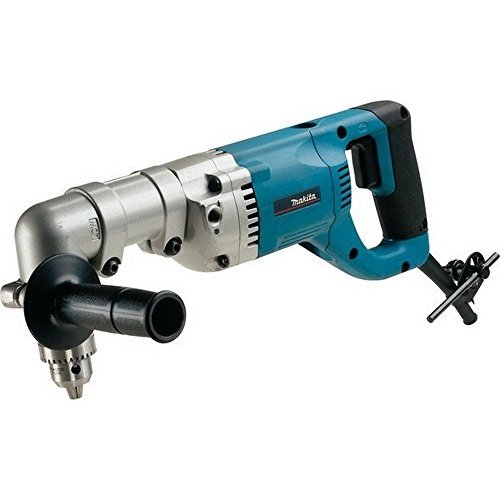
- Drills: Used for drilling holes and driving screws.
- Saws: Can be circular, jigsaws, or reciprocating saws, primarily for cutting materials.
- Sanders: Useful for smoothing surface areas.
- Mills: Employed to grind down products or hone tools.
2.3 Stationary Power Tools
Fixed tools are repaired in one location and usually require larger workspace. They include:
- Table Saws: Ideal for making long and accurate cuts in wood.
- Lathes: Used in woodworking and metalworking to produce cylindrical objects.
- Band Saws: Effective for making intricate cuts.
3. Choosing the Right Power Tool
Picking the right power tool for a specific job can be complicated given the large choices offered. Here are some aspects to consider:
- Purpose: Identify the project requirements to narrow down the tools.
- Power Type: Consider whether you need mobility (cordless) or more power (corded).
- Budget: High-quality tools can be an investment. Determine your spending plan while thinking about resilience.
- Brand Reputation: Opt for brand names known for dependability and quality.
- User Reviews: Feedback from other users can offer insights on tool performance.
4. Safety Tips for Using Power Tools
Security should constantly be a priority when operating power tools. Here are some essential safety pointers:
- Read the Manual: Familiarize yourself with the tool’s operation and safety features.
- Use Safety Gear: Use safety glasses, gloves, and ear protection as suitable.
- Check Tools Before Use: Check for damage or wear, such as frayed cords or dull blades.
- Keep a Clean Workspace: Remove any challenges or debris to prevent accidents.
- Utilize the Right Tool for the Job: Avoid improvising as it can cause mishaps.
- Disconnect When Not in Use: For corded tools, make it a habit to unplug them when not actively in use.
- Stay Focused: Avoid interruptions that might compromise concentration while working.
5. FAQ
Q1: What is a power tool?A: A power tool is a
device that is powered by electricity or batteries to carry out tasks such as cutting, drilling, or forming products. Q2: How do I determine which power
tool is best for my project?A: Assess the particular requirements of the task,
consisting of the type of product, preferred accuracy, and your convenience level with different tools. Q3: Can I utilize battery-powered
tools for heavy-duty tasks?A: Battery-powered tools are usually less powerful than their corded counterparts, but improvements in battery innovation are closing this space. Constantly examine the specifications before use. Q4: What maintenance do power tools require?A: Regular maintenance consists of cleansing, oiling moving parts, and looking for wear and tear. Follow the maker’s guidelines for specific care directions. Q5: Are there any environmental worry about utilizing power tools?A: Yes, specifically with gas-powered tools, as they release fumes that add to air pollution.
Electric and battery-operated options are normally more environment-friendly. 6
. Conclusion Power tools are transformative instruments that assist increase performance in different jobs, from crafting furniture to performing home repairs.
Understanding
the various types, how to pick the right tool, and sticking to safety practices is necessary for anyone looking to harness the power of these tools successfully. By investing in the right equipment and following finest practices, individuals can cultivate both imagination and safety in their projects. Whether you are an experienced expert or a beginner, welcoming power tools can considerably improve your ability to produce and preserve. Pleased structure!