Echten Deutschen Führerschein Kaufen.
Add a review FollowOverview
-
Founded Date July 16, 1964
-
Sectors Government Sector
-
Posted Jobs 0
-
Viewed 5
Company Description
11 “Faux Pas” You’re Actually Able To Make With Your German Driving License Assistance
Navigating the German Driving License: A Comprehensive Guide to Assistance
Germany is widely known for its efficient mass transit system, however for lots of locals and migrants, having a driving license is necessary. Whether you’re planning to drive throughout the attractive landscapes of Bavaria or browse the busy streets of Berlin, understanding the process to obtain a German driving license can be intimidating. This article intends to provide thorough support on how to navigate the system, highlighting essential steps, requirements, and beneficial resources.
Overview of the German Driving License
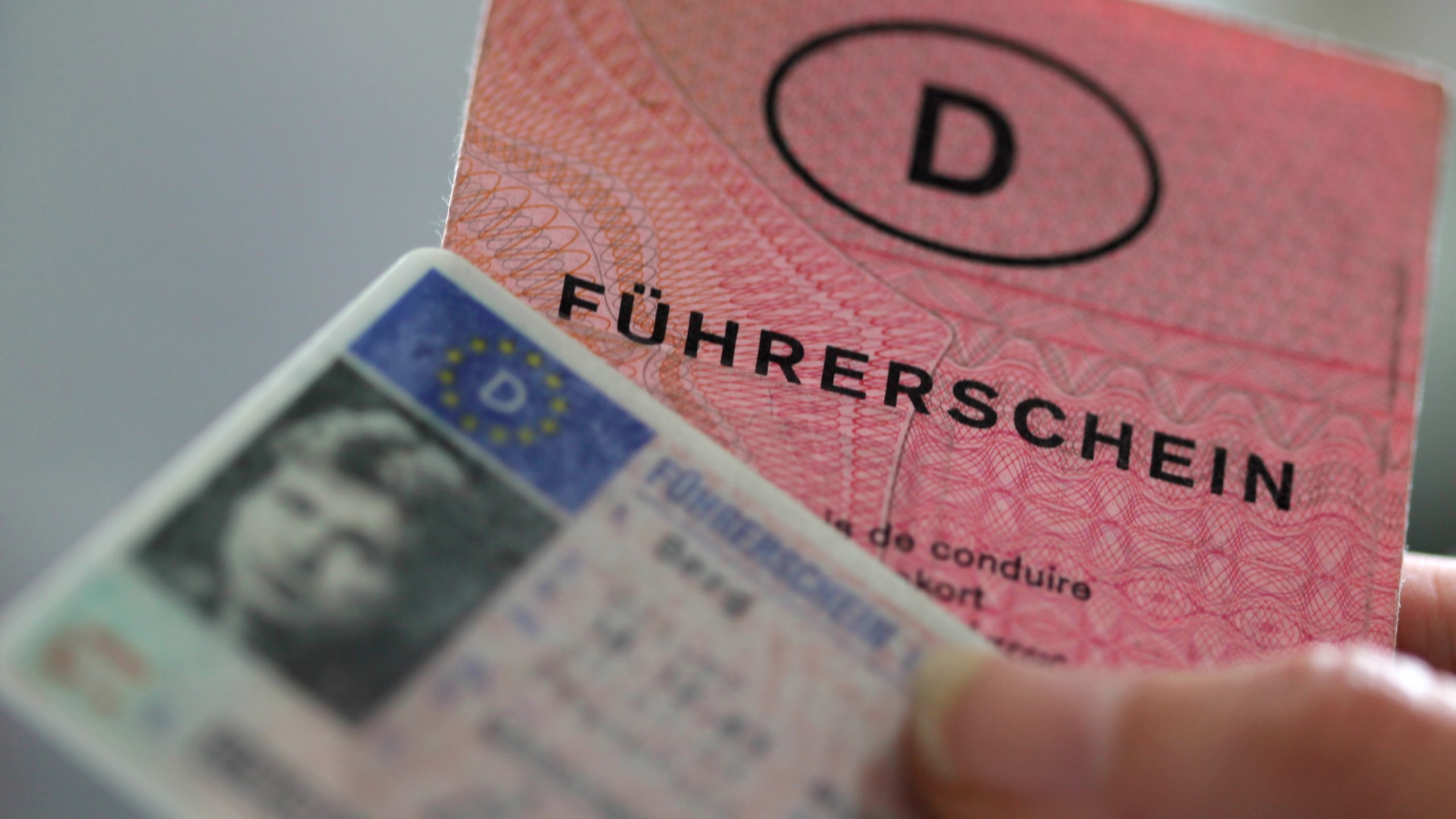
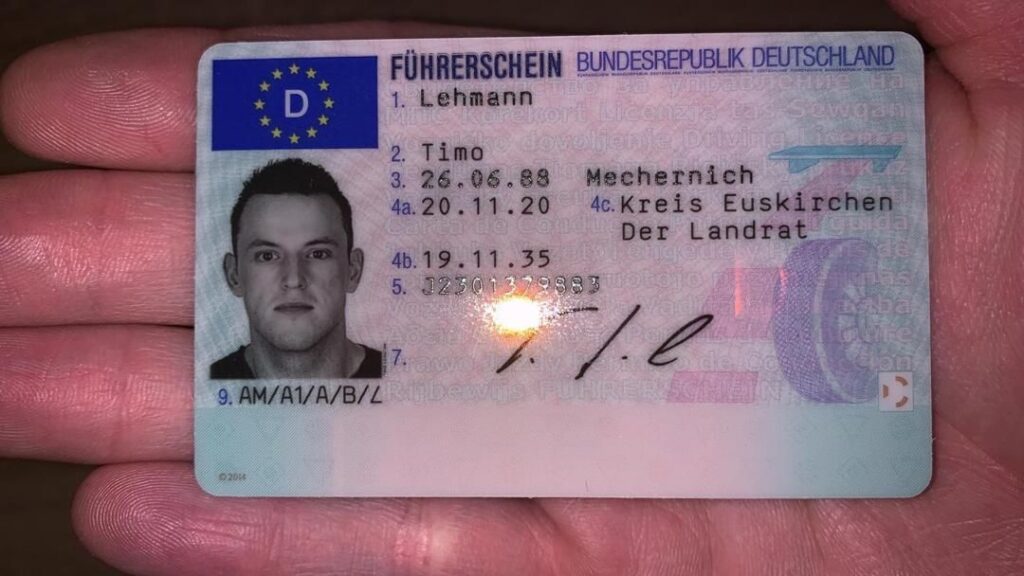
The German driving license (Anforderungen FüR Einen Deutschen FüHrerschein) is released by the regional authorities and comes in numerous classes based on the kind of vehicles you wish to operate. The most common classes are:
| License Class | Description | Minimum Age |
|---|---|---|
| Class B | Vehicles (as much as 3.5 tons) | 18 |
| Class A | Motorcycles | 24 |
| Class BE | Cars with trailers | 18 |
| Class C | Trucks (over 3.5 heaps) | 21 |
| Class D | Buses | 24 |
It’s important to acquaint yourself with these classes as they determine the kind of lorries you can lawfully drive.
Secret Steps to Obtain a German Driving License
Obtaining a German driving license includes several actions:
Step 1: Eligibility Check
Before starting the application procedure, ensure you satisfy the eligibility criteria:
- Age Requirement: You must be at least 18 years old for a Class B license.
- Residency Status: You need to be a legal local in Germany.
- Health and Medical Examination: Some classes may require a medical assessment or vision test.
Action 2: Enroll in a Driving School (Fahrschule)
Choosing a reliable driving school in Germany is important. Search for one that uses:
- Experienced instructors
- Flexible schedules
- Comprehensive training programs
Cost of Driving Schools:
| Service | Approximated Cost (EUR) |
|---|---|
| Theory Lessons | 150 – 300 |
| Practical Lessons (per hour) | 50 – 80 |
| Application Fees | 50 – 100 |
Step 3: Complete the Theory Course
The theory course covers traffic rules, guidelines, and safe driving practices. Individuals should complete a series of lessons followed by a written exam.
Step 4: Pass the Theory Exam
Once you complete the theory course, you’ll be required to take a written test. The exam normally includes multiple-choice questions, and you require to score at least 90% to pass.
Step 5: Practical Training
After passing the theory test, you’ll begin useful driving lessons, which vary in number based on specific skill levels.
Action 6: Pass the Practical Test
The practical exam examines your driving abilities, including your ability to browse traffic, follow road indications, and react to different driving situations.
Action 7: Application for License
Upon effective conclusion of both the theory and useful tests, submit your application for a driving license to the regional authority (Fahrerlaubnisbehörde). The following files are needed:
- Completed application form
- Identity evidence (passport/residence license)
- Recent passport-sized photos
- Proof of effective conclusion of both tests
- Medical certificate (if suitable)
Common Challenges in Obtaining a German Driving License
-
Language Barrier: The theory test is typically available in German, which can position a challenge for non-native speakers. Some driving schools provide English-language guidelines and products.
-
Expense: The whole procedure can be expensive. It’s suggested to budget plan properly and try to find promos or package from driving schools.
-
Rigorous Regulations: Germany is understood for its strenuous traffic rules. New chauffeurs might discover the knowing curve steep due to the nation’s stringent technique to driving laws.
Often Asked Questions (FAQ)
1. For how long does it take to acquire a German driving license?
The complete procedure can take anywhere from a few weeks to a number of months, depending on how rapidly you finish the required lessons and tests.
2. Can I drive with my foreign license in Germany?
If your license is from an EU/EEA nation, you can drive in Germany without any changes. If it’s from outside the EU, you may need to get a German license after 6 months of residency.
3. Exist particular driving school recommendations?
Recommendations vary by area. Online reviews and local expat online forums can supply insights into reliable driving schools in your area.
4. What occurs if I stop working the driving test?
In Germany, you can retake the driving test after a waiting duration. The number of retakes is typically not restricted, however it may sustain extra fees.
5. What are the rules regarding wearing glasses or contact lenses when driving?
If you need restorative lenses, you are legally required to wear them when driving. The limitation will be kept in mind on your driving license.
Acquiring a German driving license can appear frustrating initially, however with a clear understanding of the steps involved and the ideal support, you can navigate the process effectively. Whether you’re a resident or a migrant, the flexibility a driving license offers is well worth the effort. With extensive research and preparation, driving in Germany’s excellent autobahns and picturesque routes can become a fulfilling undertaking.
Remember, the key to success in this journey is to stay informed, pick the ideal driving school, and practice vigilantly. Happy driving!