

Mobile Key Programming
Add a review FollowOverview
-
Founded Date October 7, 1914
-
Sectors EdTech
-
Posted Jobs 0
-
Viewed 32
Company Description
10 Top Mobile Apps For Car Key Code Programming
The Science of Security: A Comprehensive Guide to Car Key Code Programming
In the early years of the vehicle industry, beginning an automobile was a simply mechanical procedure. A metal key, cut with specific ridges and valleys, would physically move internal tumblers within an ignition cylinder to complete a circuit. Nevertheless, as automobile theft became more advanced, makers transitioned from easy mechanical locks to complicated electronic security systems. Today, the process of “Car Key Code Programming” is a vital intersection of locksmithing and computer science, making sure that just the rightful owner can operate Coding A Car Key modern car.

Understanding the Evolution of Key Technology
To comprehend key programming, one should initially recognize the elements included. Modern lorries make use of an “Immobilizer System.” This system is created to avoid the engine from running unless the correct electronic “handshake” is gotten from the key or fob.
A lot of keys produced after the mid-1990s consist of a transponder chip located inside the plastic head of the key or within the shell of a keyless remote. When the key is placed in the ignition or a start button is pushed, the lorry sends an electro-magnetic signal. The transponder chip absorbs this energy and transmits a distinct alphanumeric code. If this code matches the information saved in the car’s Engine Control Unit (ECU) or Immobilizer Control Unit (ICU), the car starts. If the codes do not match, the fuel pump or ignition system stays handicapped.
Key Types and Their Programming Requirements
The complexity of programming depends mostly on the type of key technology used by the producer.
Table 1: Comparison of Key Technologies
| Key Type | Description | Programming Necessity | Tools Required |
|---|---|---|---|
| Mechanical Key | Requirement metal key without any electronic components. | None (only needs cutting). | Key cutting machine. |
| Transponder Key | Metal key with a concealed RFID chip in the plastic head. | High (need to sync with the ECU). | OBD-II scanner or cloning tool. |
| Remote/Fobik | Integrated key and remote buttons for locking/unlocking. | High (both security and benefit). | Professional diagnostic software. |
| Smart Key (Proximity) | “Push-to-Start” secrets that never leave the chauffeur’s pocket. | Very High (complex encrypted rolling codes). | Specialized OEM software. |
The Mechanics of Car Key Code Programming
Programming is not a “one size fits all” procedure. Depending on the make, model, and year of the vehicle, specialists use several different approaches to set a brand-new key to the internal computer.
1. On-Board Programming (OBP)
On-board programming is the most basic approach and was common in lots of American automobiles through the early 2010s. This technique involves a specific sequence of manual actions– such as turning the ignition on and off a particular variety of times or opening/closing the driver’s door– to put the car into “discovering mode.” Once in this mode, the car is ready to accept the code of a brand-new transponder.
2. OBD-II Port Programming
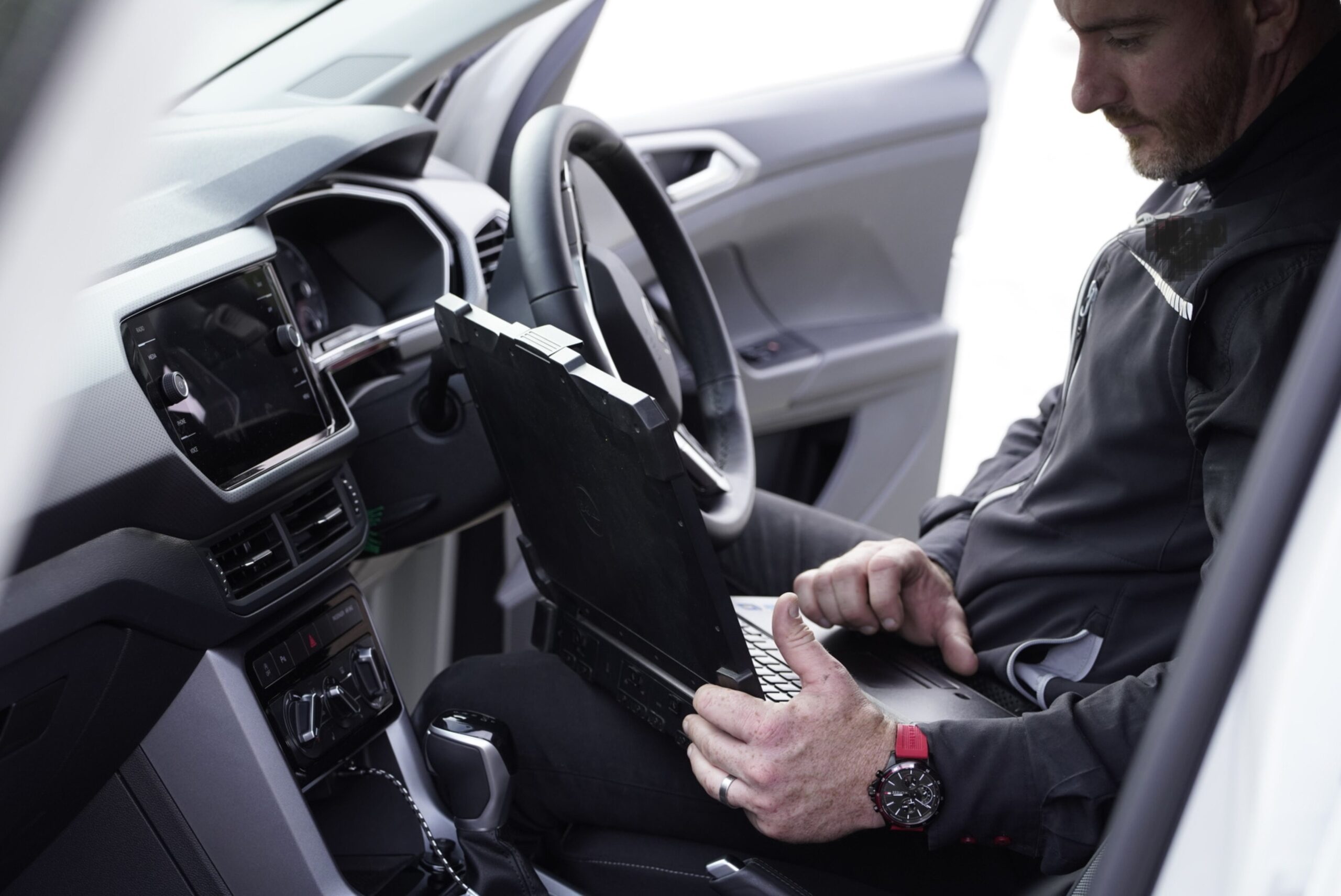
A lot of modern-day lorries require a connection to the On-Board Diagnostics (OBD-II) port, generally located under the dashboard. A locksmith professional or service technician plugs in a specialized tablet or computer that communicates straight with the car’s ECU. The specialist can then delete lost secrets from the memory and “compose” the code of the brand-new key into the system.
3. EEPROM and Soldering
In some European and high-security luxury cars, the programming details can not be accessed through the OBD-II port. In these cases, the specialist should remove the actual Immobilizer module or ECU, unsolder a small memory chip (EEPROM), and read the information straight utilizing a specialized chip reader. This is the most technical type of programming and needs a high level of expertise.
The Role of the VIN and Key Codes
When a key is lost entirely, the programming process starts with data retrieval. Automotive professionals utilize the Vehicle Identification Number (VIN) to access maker databases.
- Mechanical Key Code: This is a code that tells a locksmith exactly how to cut the metal blade so that it fits the locks completely.
- Security PIN Code: Many makers (such as Chrysler, Nissan, and Volkswagen) require a 4- to 6-digit PIN code to “unlock” the computer before it will permit new secrets to be configured.
Why Professional Programming is Essential
While some chauffeurs try to conserve money by buying cheap keys online and following YouTube tutorials, there are significant threats associated with DIY key programming.
- Threat of Bricking the ECU: If the wrong software or a defective “clone” tool is used, it can corrupt the car’s firmware, rendering the car entirely unusable and requiring a pricey ECU replacement.
- Security Lockouts: Many contemporary cars and trucks have “anti-scan” or “security lockout” modes. If the incorrect code is entered a lot of times, the car may lock the ignition system for hours or perhaps days.
- Key Quality: Low-quality aftermarket transponder chips typically stop working after a couple of uses, potentially leaving the chauffeur stranded.
Table 2: Service Provider Comparison
| Function | Dealer | Qualified Locksmith | DO IT YOURSELF (Advanced User) |
|---|---|---|---|
| Cost | Greatest | Moderate | Lowest |
| Convenience | Must tow car to dealer | Mobile service (pertains to you) | Done at home |
| Expertise | Specialized in one brand | Specialized in all brand names | Differs |
| Guarantee | Yes | Yes | No |
Step-by-Step Programming Process (Professional Method)
To supply a clearer photo of what occurs during a professional service call, consider the following general list of actions taken by an automotive locksmith professional:
- Identification: The specialist verifies the lorry’s VIN and confirms the year, make, and model to identify the proper transponder chip frequency.
- Key Cutting: The physical blade is cut using a high-precision CNC laser cutter based on the factory key code.
- System Access: The service technician connects a diagnostic tool to the OBD-II port.
- Security Clearing: If all secrets are lost, the professional clears the old key information from the car’s memory for security.
- Synchronization: The brand-new key is inserted/detected, and the diagnostic tool starts the “handshake” to sync the new code.
- Checking: The professional verifies that the key starts the engine, the buttons lock/unlock the doors, and the distance features (if suitable) function properly.
Typical Troubleshooting Issues
Sometimes, a key might be cut properly however stop working to program. Typical factors consist of:
- Low Battery Voltage: Most automobile computers need a consistent voltage (normally above 12.5 V) to complete a programming cycle. If the car battery is weak, the procedure will fail.
- Incorrect Chip Type: Many transponders look identical however operate on different frequencies (e.g., 315MHz vs. 433MHz).
- Used Keys: Some automobile brands “lock” a transponder once it is configured to a car. These secrets can not be “re-programmed” to a second car.
Often Asked Questions (FAQ)
Q: Can I configure a car key myself?A: It depends upon the automobile. Older vehicles might have an on-board procedure, but many cars and trucks developed after 2012 require customized diagnostic equipment that is too costly for a one-time usage.
Q: How much does car key programming expense?A: The rate usually varies from ₤ 100 to ₤ 400. Elements influencing expense include the cost of the key itself, the complexity of the software, and whether the technician has to travel to the vehicle’s area.
Q: If I buy a key from an online retailer, will a locksmith program it?A: Many locksmith professionals will set customer-supplied keys, however they often do not provide a service warranty on the labor or the part, as lots of online keys are faulty or contain the incorrect chips.
Q: Does a brand-new key need to be programmed if I only require the remote buttons to work?A: In most modern “all-in-one” secrets, the transponder (for starting) and the remote (for locking) are separate functions on the same circuit board. Normally, both should be set all at once for the key to be completely practical.
Q: How long does the programming procedure take?A: For a lot of automobiles, the process takes between 15 and 30 minutes. However, more complicated high-end automobiles or “all keys lost” scenarios can take an hour or more.
Car key code programming is a crucial security measure that provides assurance to car owners worldwide. While the shift from easy metal keys to encrypted digital codes has actually made the process of getting a replacement more complicated and costly, it has also dramatically decreased the rates of opportunistic lorry theft. Whether utilizing the services of a dealer or a mobile locksmith, understanding the technology behind the “handshake” in between a key and the car’s computer system highlights the advanced nature of modern-day automotive engineering. For drivers, the finest method remains being proactive– having an extra key configured before the primary one is lost can save numerous dollars and hours of frustration.