

Reliable Guttering
Add a review FollowOverview
-
Founded Date October 29, 1933
-
Sectors Startups
-
Posted Jobs 0
-
Viewed 48
Company Description
The 10 Most Scariest Things About Guttering
Essential Guide to Guttering Repairs: Maintaining Your Home’s First Line of Defense
Gutters play an essential function in securing a home from water damage. They carry rainwater away from the roof, walls, and foundation, preventing prospective damage that can result in costly repairs. Nevertheless, like any part of a home, gutters require routine maintenance and occasional repairs. This guide explores Guttering Repairs (Https://drainage90074.Luwebs.com/), common problems homeowners face, and how to address them effectively.
Comprehending Your Gutters
Before delving into repair methods, it’s vital to understand the types of gutters and their elements.
Common Types of Gutters
| Kind of Gutter | Product | Advantages | Downsides |
|---|---|---|---|
| K-Style | Vinyl, Aluminum | Visual appeal, simple installation | Can flex under heavy weight |
| Half-Round | Copper, Aluminum | Exceptional drainage, traditional appearance | More costly; needs maintenance |
| Box Gutters | Wood, Metal | Can handle a large volume of water | Higher maintenance requires |
Comprehending the type of Gutter Replacement system in location assists house owners identify potential concerns and pick appropriate repair solutions.
Typical Guttering Issues
Gutters might come across several issues over time. Here are the most typical problems that require attention:
1. Obstructions
Leaves, twigs, and particles can collect in gutters, blocking water flow. This can trigger water to overflow, possibly damaging the roof and walls.
2. Leakages
Leakages typically develop at joints, joints, or holes in the gutter. These can cause considerable water damage if not attended to quickly.
3. Sagging or Pulling Away
Gutters can sag under the weight of debris or due to loosening up hardware. This misalignment avoids appropriate water flow.
4. Rust and Corrosion
Metal gutters can rust or rust, causing structural weak points and leakages.
5. Downspout Problems
Downspouts can end up being clogged or disconnected from the gutters, causing water to pool near the foundation.
Fixing Your Gutters
Attending to guttering issues promptly is vital to prevent extreme damage. Here’s a detailed list of common repairs.
1. Cleaning Gutters
Regular cleaning is the initial step for preserving gutters. Here’s how to clean them successfully:
- Tools Needed: Ladder, gloves, scoop, garden pipe, and shatterproof glass.
- Actions:
- Put on safety gear and established the ladder safely.
- Remove debris with a scoop or by hand.
- Flush the gutters with water to inspect for proper drainage.
- Tidy downspouts using a tube or a plumber’s snake if necessary.
2. Fixing Leaks
Repairing leaks can be uncomplicated.
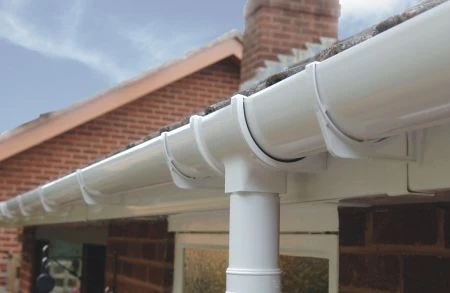
- Materials Needed: Gutter sealant or silicone caulk, putty knife.
- Steps:
- Identify the source of the leak.
- Tidy the area around the leak completely.
- Apply the gutter sealant and smooth it out with a putty knife.
- Permit the sealant to cure based on producer directions.
3. Attending To Sagging Gutters
For sagging gutters that retreat from the fascia:
- Tools Needed: Screwdriver, ladder, and potentially new mounting brackets.
- Actions:
- Check the hangers or brackets protecting the gutters.
- Tighten up any loose screws or change any damaged hardware.
- If drooping persists, think about including extra wall mounts for assistance.
4. Fixing Rust and Corrosion
Rust can be treated and covered, especially in metal systems.
- Products Needed: Wire brush, primer, and paint.
- Actions:
- Scrape off the rust utilizing a wire brush.
- Apply primer to prevent future rust.
- Paint over the primed location to mix with the existing gutter.
5. Repairing Downspouts
Downspout issues can typically be resolved with simple tools.
- Materials Needed: Screwdriver, pipe, and possibly a new downspout.
- Actions:
- Inspect the downspout for blockages or misalignment.
- Clear any blockages using a hose or plumbing’s snake.
- Make sure that the downspout is linked safely to the gutter.
When to Call a Professional
While many Gutter Installation repairs can be done by property owners, some situations may require professional help:
- Extensive damage beyond minor repairs.
- High gutters that are challenging to reach securely.
- Replacement of a large area of the gutter system.
FAQs About Guttering Repairs
Q1: How frequently ought to I clean my gutters?A: It’s recommended to clean your gutters at least two times a year, normally in spring and fall, to avoid obstructions and damage. Q2: How can I inform if my gutters
need replacing?A: Indicators include extensive rust, numerous leaks, sagging
sections, or a downspout that pulls away from the Gutter Repair. Q3: Can I repair gutters in cold weather?A: While it’s possible, winter can impact
the treating time of sealants and caulks. If temperature levels are below freezing, it’s best to wait on milder conditions. Q4: What types of gutters need the least maintenance?A: Seamless gutters made from vinyl or aluminum generally need less maintenance as they lessen the risk of leaks. Q5: Is it safe to clean gutters myself?A: Cleaning gutters can be safe if done carefully with the appropriate tools and safety preventative measures. However, if you’re
unpleasant with heights, working with a professional is a much better option. Keeping a healthy gutter system is important for the longevity of any home. Homeowners need to regularly check and repair their gutters to avoid minor issues from escalating into significant problems. By understanding typical Guttering Experts problems and how to resolve them, homeowners can safeguard their homes from wetness damage and preserve their residential or commercial property’s integrity. Remember, when in doubt, seeking advice from a professional is always a sensible option.